As the leading advocate for the state’s dynamic and diverse life sciences sector, Georgia Life Sciences promotes policy development, community programs, industry initiatives, and events, as well as the research and products of its associated member and partner organizations. 

Policy & Advocacy

Georgia capitol

Advance life sciences innovation through policy and advocacy leadership at all levels of government

Workforce & Talent

Workforce

Establish Georgia as a center for excellence in life science workforce training and talent development

Economic Development

Economic development

Provides expert advice and guidance to help companies find suitable locations and resources as they move to and grow in Georgia

Entrepreneurship

Innovation

Connecting innovators and companies to the resources that accelerate growth —strategic collaboration and partnerships across Georgia’s life sciences ecosystem

Networking

Networking

Foster connection by convening thought leaders around relevant industry topics and peer-to-peer exchange opportunities

Cost Savings

Cost savings

Curated discounts on products and services critical to running a successful business

Upcoming Events

Recent News
June 15, 2026
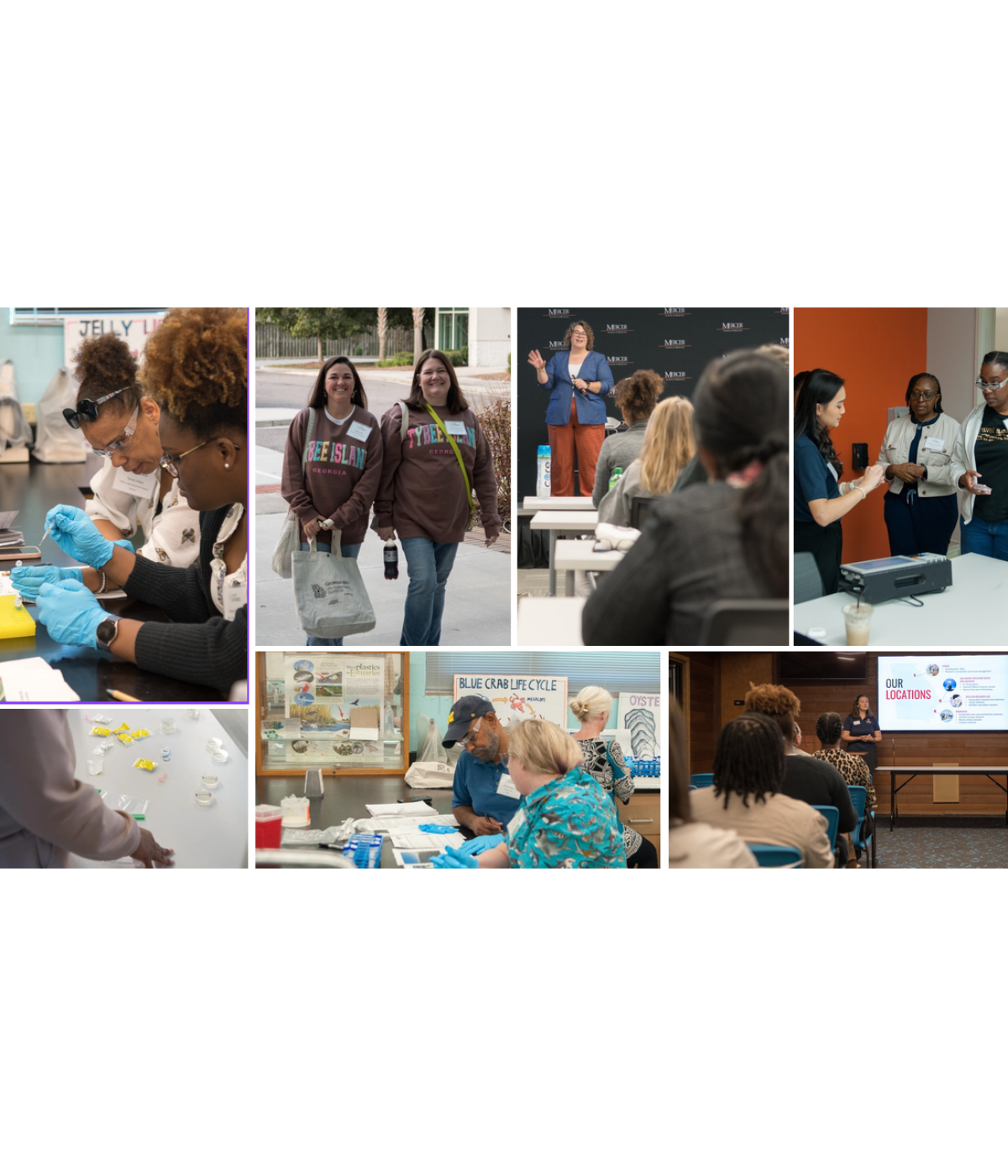
June 16, 2026 - As Georgia Life Sciences concludes the 2025-2026 cycle of the Biotech Teacher Training Initiative (BTTI), the results reinforce the critical role educators play in building the state's future life sciences workforce. Since July of 2025, BTTI engaged 98 educators representing 40 schools across 23 school systems, reaching an estimated 5,375 students through hands-on biotechnology instruction, career-connected learning, and industry-relevant classroom experiences. The Georgia Life Sciences Equipment Depot further expanded the program's impact by supporting 238 teachers with access to laboratory equipment and materials that make authentic life sciences learning possible. Georgia Life Sciences is also pleased to report that funding for BTTI was maintained in the Georgia House version of the FY 2027 budget approved earlier this year. The upcoming 2026-2027 program cycle will mark an important evolution for BTTI. Building on feedback from industry partners and workforce trends across the life sciences sector, Georgia Life Sciences will expand the program's scope to better reflect the skills and competencies employers increasingly need. In addition to foundational biotechnology concepts, future programming will be organized around key industry domains, including Quality Assurance and Quality Control (QA/QC), Research & Development (R&D), MedTech, Artificial Intelligence, Automation, and Advanced Manufacturing. This expanded approach will provide educators with greater insight into the breadth of career opportunities available across Georgia's life sciences ecosystem while helping students develop awareness of the technologies and disciplines shaping the industry's future. The impact extends far beyond individual workshops, creating lasting connections between Georgia classrooms and the state's growing life sciences ecosystem while helping build the talent pipeline that will power Georgia's future innovation economy. "Before BTTI, I was hesitant to do biotech labs because they seemed too complex and expensive," shared Josephine Jeganathan of Stockbridge High School. "The program showed me how simplified it can be and provided the equipment and materials needed to successfully implement the Central Dogma Lab with all my classes." Teachers are also seeing increased student engagement through hands-on learning experiences. Tonie Curry of North Clayton High School used a chromatography lab to connect environmental science concepts to water pollution and sustainability. "Students were highly interested in seeing how substances separated and made strong connections to water pollution and environmental sustainability," Curry noted. "The hands-on nature of the lab encouraged curiosity and deeper understanding." For many educators, one of the most valuable aspects of the program is the connection between classroom learning and real-world careers. As Marshai Waiters of Marietta Middle School reflected: "Exposure is key. There are so many avenues to work in STEM, and they are all accessible with opportunity and knowledge. The insights gained from industry speakers will inform my teaching and create new opportunities for student exposure." When teachers are trained, equipped, and connected to industry, students gain more than a science lesson—they gain a window into Georgia's life sciences future.
June 10, 2026
In recent comments to the Department of Justice (DOJ) and Federal Trade Commission (FTC), PULSE highlighted critical reforms to ensure that U.S. competition policies support – and do not impede – the pro-competitive mergers and acquisitions (M&A) and other collaborations that drive American life sciences innovation. PULSE submitted comments in response to two joint DOJ/FTC Requests related to Guidance on Collaborations Among Competitors and Improvements to the Premerger Notification and Report Form (HSR Form). Read below for key takeaways from PULSE’s comment letters: 1. Life Sciences Innovation Depends on Collaboration “At its core, life sciences innovation is overwhelmingly collaborative. The cutting-edge medicines and cures developed by America’s life sciences industry are rarely the result of just one sole actor. Instead, they more often emerge from a calibrated sequence of partnerships… that collectively usher a biomedical breakthrough from early-stage discovery to FDA approval and delivery to patients.” – PULSE, Comments on Guidance on Collaborations Among Competitors 2. Policies that Ignore the Fundamental Role of Life Sciences M&A Risk Chilling Innovation for Patients “Against the significant challenges and pressures inherent to life sciences innovation, such policies that needlessly delay pro-competitive transactions have significant ripple effects: eroded investment incentives, disruptions in the path to launch and, ultimately, slowed or stalled development of new treatments and cures for patients.” – PULSE, Comments on Improvements to the HSR Form 3. Clear, Predictable Standards Can Support Competition and Innovation in America’s Life Sciences Ecosystem “Preserving clear and workable pathways for collaboration is therefore essential to sustain the broader ecosystem that delivers innovation and sustains America’s status as the world leader in life sciences innovation.” – PULSE, Comments on Guidance on Collaborations Among Competitors Leading business and industry organizations echoed and reinforced these priorities. Their comments highlight the unique market dynamics of life sciences innovation and the importance of collaboration and M&A – particularly with respect to early-stage R&D. “Because drug development typically takes over a decade, and the vast majority of drugs in development never make it to market, the antitrust risks associated with R&D collaborations in this space may be less than with other R&D collaborations.” – ABA Antitrust Law Section, Comments on Guidance on Collaborations Among Competitors “In the biopharmaceutical sector, for instance, R&D ventures in the pre-clinical or Phase I stages should be presumed lawful. At these early stages, about 90% of drugs never make it to market, so these collaborations are far too distant from commercialization to pose a meaningful threat to competition.” – U.S. Chamber of Commerce, Comments on Guidance for Collaborations Among Competitors “Healthy M&A activity also aids company formation and capital raising earlier in a business’s life cycle, as entrepreneurs and early-stage investors often depend on M&A for an exit opportunity. Conversely, discouraging business combinations by imposing burdensome one-size-fits-all standards on all transactions, like those imposed by the 2024 amendments, would disincentivize early-stage innovation and slow down economic growth.” – National Association of Manufacturers, Comments on Improvements to the HSR Form The bottom line: A balanced approach to antitrust enforcement policy should support life sciences M&A and other collaborations, ensuring new medicines continue to reach patients, while preserving a diverse and collaborative ecosystem. PULSE urges the agencies to adopt clear, workable and predictable standards that companies can apply with confidence. That includes preserving enforcement safety zones for low-risk, pro-competitive collaborations, as well as ensuring the HSR Form facilitates a timely, focused and fit-for-purpose screening process for life sciences M&A deals. Click below to read PULSE’s full comments: PULSE Comments on Guidelines on Collaborations Among Competitors PULSE Comments on Improvements to the HSR Form Source: PULSE Urges FTC, DOJ to Support Pro-Competitive Life Sciences Collaborations and M&A - Partnership for the U.S. Life Science Ecosystem (PULSE)
View All News

Become a Member Today

Winter Membership Drive
Become a Member

Member Benefits

Be Part of Our Growing Community

By joining Georgia Life Sciences, you will be part of a vibrant community that is making significant strides in growing the bioscience industry in our state. We conduct economic development activities; advocates on behalf its members on public policy matters; educates the public about the benefits of life sciences research and product development; and provides a network for idea exchange and cooperation.

Leverage the Power of Georgia Life Sciences: Become a Sponsor

Georgia Life Sciences’ sponsorships unlock unparalleled access and influence within the state’s life sciences industry. Go beyond traditional event sponsorships and engage directly with a multifaceted ecosystem through our combined reach across exclusive programming, key initiatives, events, media channels, and industry association networks.

DOWNLOAD

Why Join Georgia Life Sciences?

Membership in Georgia Life Sciences connects you with all facets of

our sector and helps cement your place in a community that shares the vision of improved health and a better world. We are the unified voice among key stakeholders and leading convenor for partnerships and strategic collaborations.
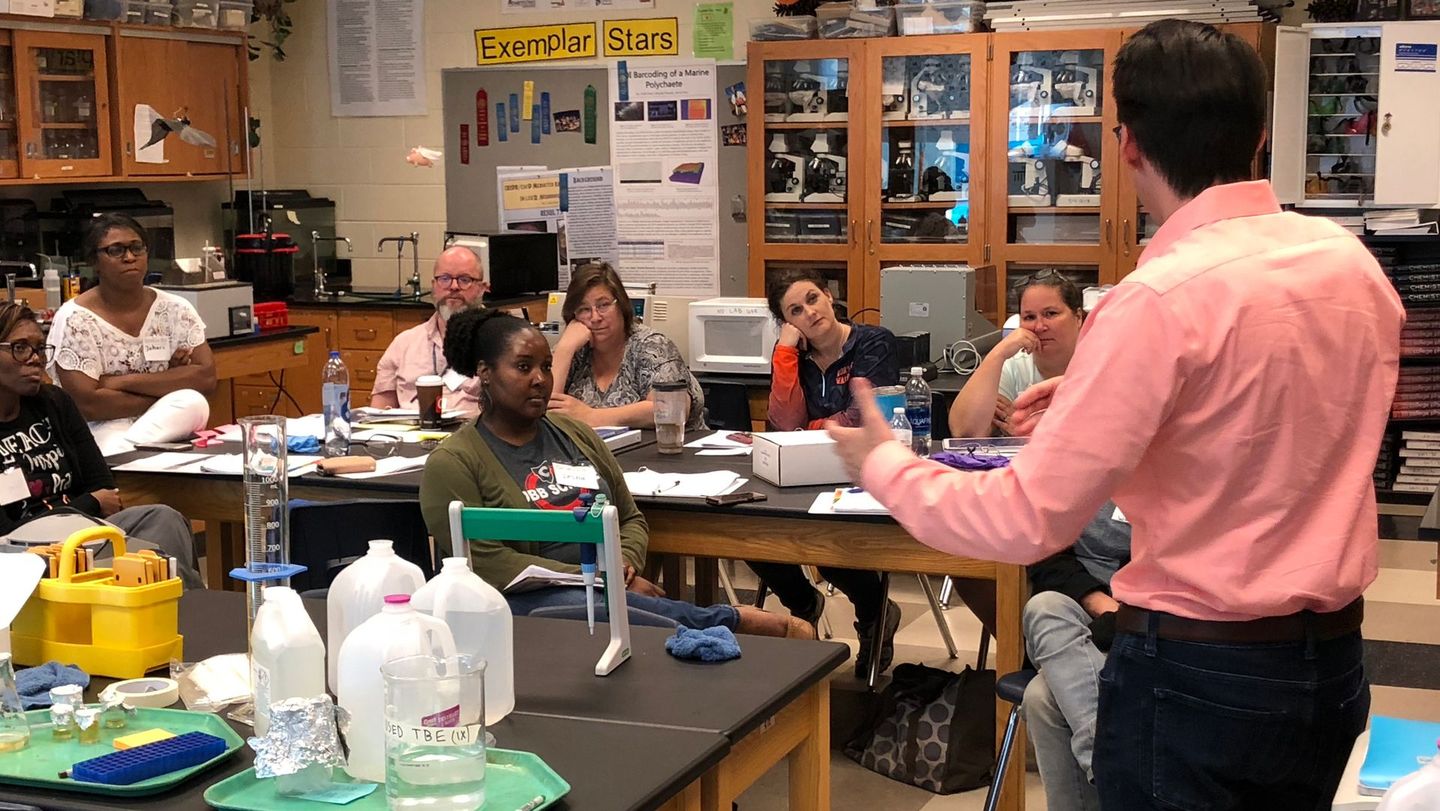

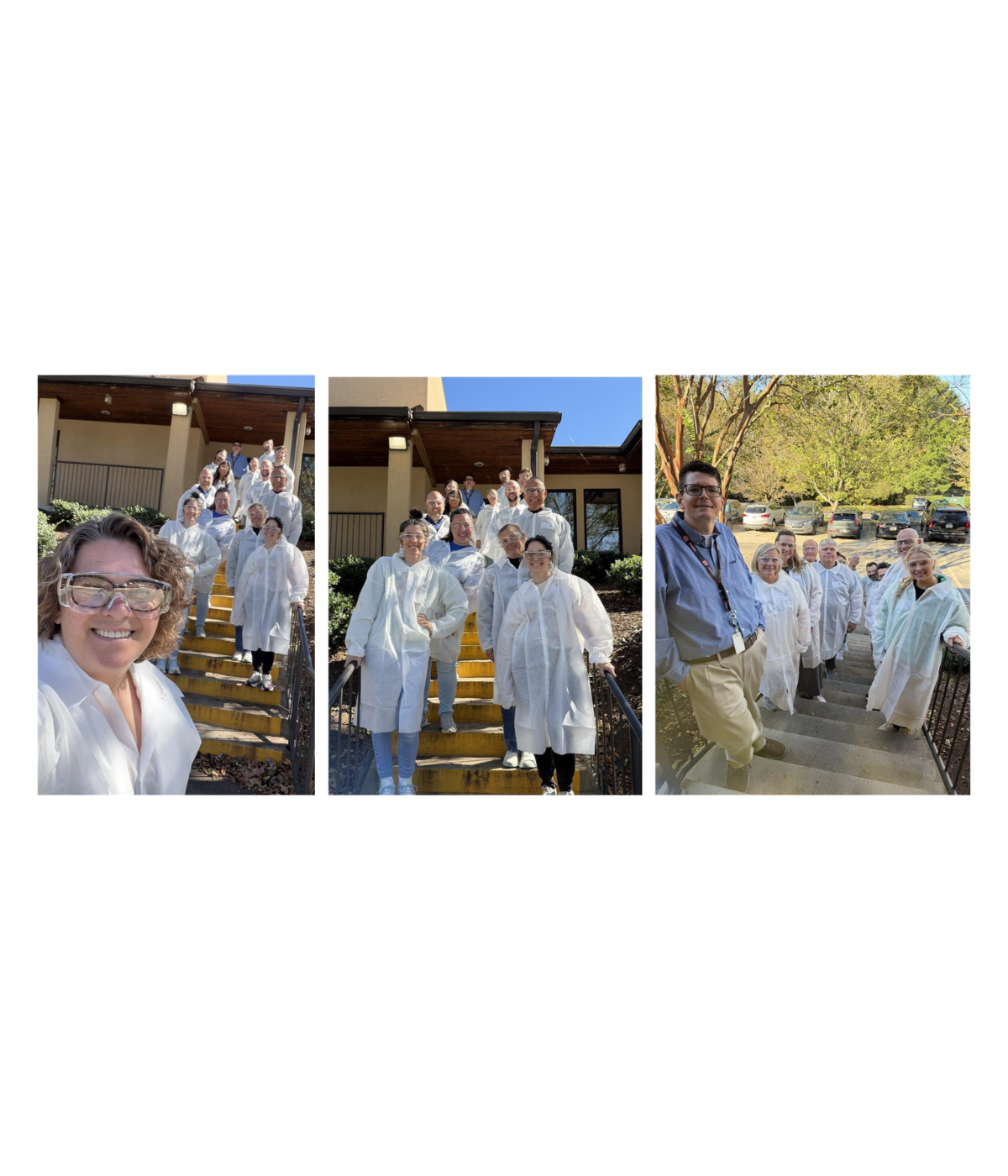
Teachers receiving instruction for a new lab and lesson plan

Biotech Teacher Training Initiative

Hands-on, immersive science teacher professional development for Georgia teachers.

Learn More

Equipment Depot

Provides grade 6-12 teachers with laboratory supplies and equipment needed to prepare students for careers in the life sciences.

Learn More

Ambassadors Program

Connects educators, students, and industry professionals to inspire the next generation of STEM leaders for the life sciences sector.

Learn More